Publications
FDLI publishes resources for practitioners, scholars, students, policy makers, and others interested in food and drug law and policy. The periodicals and books offer timely coverage of emerging issues, policy debates, scholarly research, and practice guidance.
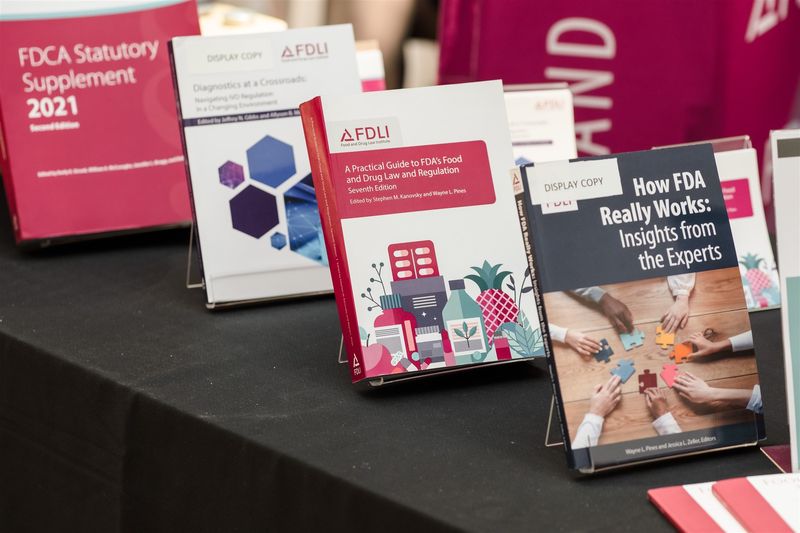
and others interested in food and drug law and policy. The periodicals and
books offer timely coverage of emerging issues, policy debates, scholarly
research, and practice guidance.

- The scholarly quarterly Food and Drug Law Journal is co-published with Georgetown University Law Center.
- Update magazine, available to members in both print and electronic editions, provides concise articles on cutting-edge food and drug law issues.
- Books provide practitioners and students essential references on key practice topics.